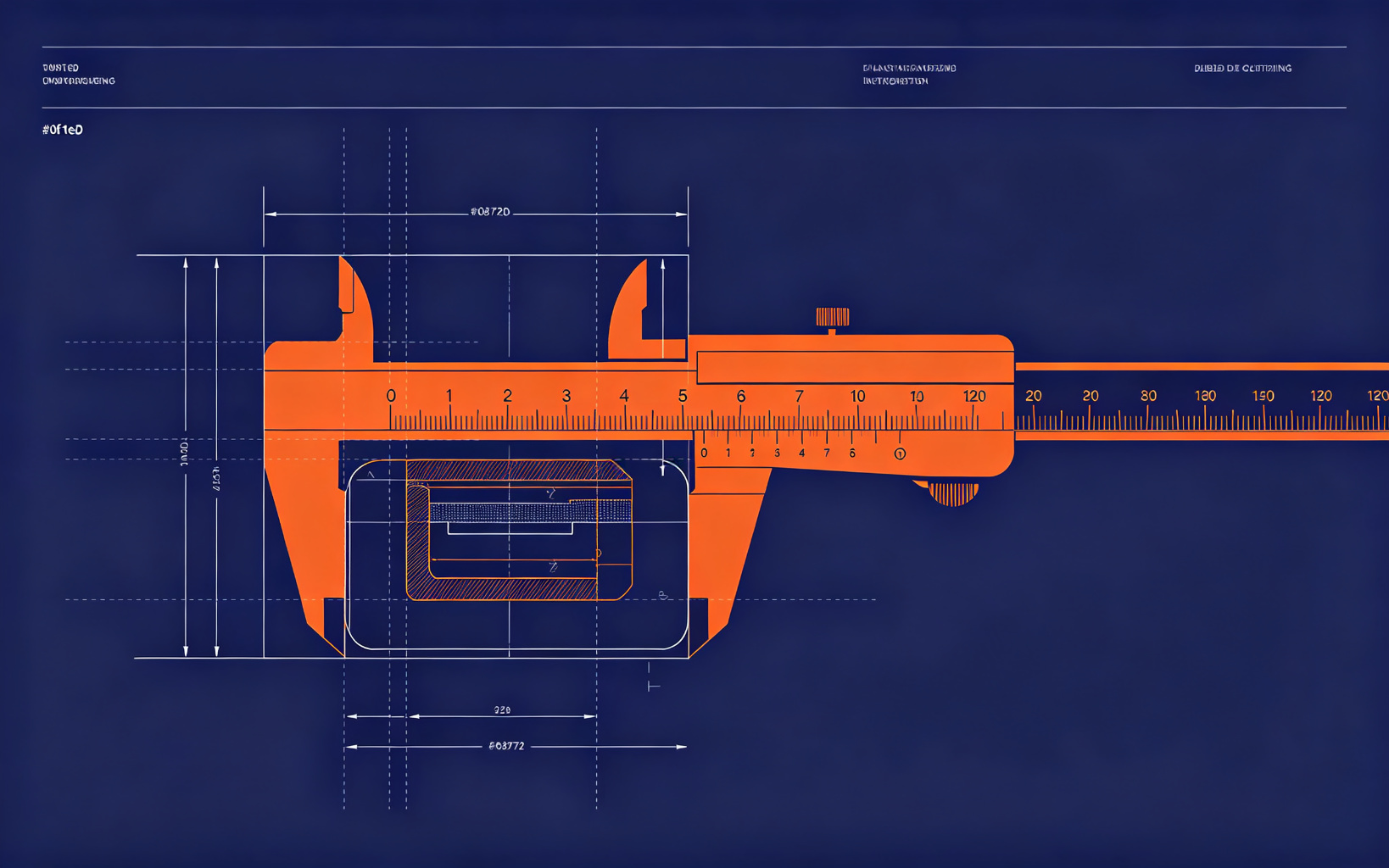
Tolerance Standards for Custom Die Cutting
"What tolerance can you hold?" is the most common first question on a drawing — and the answer depends on which process cuts the part. Specifying a tolerance that the process cannot economically hold either raises price or produces rejections. Below are the working tolerances our shop holds in production.
All dimensions in millimeters (mm).
Working tolerances
On parts up to 300 mm, expect ±0.05–0.20 mm. On parts between 300 and 600 mm, expect ±0.15–0.50 mm. Exact tolerance depends on material properties, thickness and part geometry — softer, thicker or more extensible materials run toward the wider end; rigid films run tighter.
Thickness tolerance is separate
Part geometry tolerance is different from material thickness. On film, thickness is controlled to the adhesive manufacturer's spec (typically ±10%). On foam, expect ±10% to ±15% thickness, which matters when the foam must fill a precise gap. Specify the material grade, not just "black foam", to lock this in.
How to write the tolerance block
- General linear: ±0.15 mm unless otherwise noted
- Critical holes / datum features: ±0.05–0.10 mm
- Foam thickness: ±10% (specify grade)
- Angle: ±1°
Send us your drawing — we will confirm what tolerance we can hold for your specific material, thickness and volume.